Continuously Improving the Resident Experience, Block by Block
Every day feels like Groundhog Day — the same problems repeating, the same promises recycled. To break the cycle, we need to change how San Francisco operates.
This election cycle, break the cycle.
Vision
The City We're Building, Together
A city that meets the needs of residents because it continuously learns, evolves, and operates as one united organization to deliver clean and safe spaces, reliable infrastructure, strong schools, and thriving neighborhoods.
Open & Responsive Government
A government that earns your confidence by learning, acting, and delivering the experience residents want.
Clean & Cared-For Spaces
Public spaces — streets, sidewalks, planters, parks, bus stops, plazas — that are consistently maintained so that residents feel pride in their surroundings, not neglect.
Safe & Welcoming Environment
Places where residents feel comfortable and secure. Areas where they can walk at night, let their kids play outside, and move through their neighborhood without fear.
Reliable & Accessible Infrastructure
The foundational systems that residents depend on daily, like transit, utilities, streets, water, and digital connectivity, work consistently and are available to everyone.
Vibrant & Rooted Places
Places with soul, where culture, history, and identity are visible and alive. These are the spaces that make San Francisco feel like somewhere, not anywhere.
Thriving & Connected Communities
Neighborhoods where residents and local businesses support each other, where people know their neighbors, where community actually exists.
Open & Lifelong Opportunity
A city where residents can build a life over time, learning and building skills, finding work that matches their skills, growing into new roles, weathering setbacks, and progressing across all phases of life.
Priorities
Where We Focus First
These are the places where the gap between our vision and current reality is widest. Focused improvement will have the greatest impact, creating a ripple effect across the city, while getting government organizations to start working collaboratively as one city.
School Blocks
The blocks where schools sit - and the immediate blocks around them - should be the safest, cleanest, most welcoming places in every neighborhood.
Rebuilding Trust is Our North Star
With every decision, we ask: “Will this increase trust?”
For too long, the city has failed to deliver on its promises. Many residents feel like the city is being built for someone else, never being included and engaged in the process. Despite a massive budget, delivery is slow, plans are rarely actualized, and what does get delivered tends to be ineffective solutions to problems that persist, year after year. This creates a growing trust deficit between government and residents that must be addressed.
These values will guide every decision, every project, and every interaction:
Inclusion
Everyone has equitable access to services and a voice in decisions, regardless of neighborhood or background.
Openness
Transparent by default, working in the open, and sharing progress every step of the way.
Authenticity
Honest about challenges, genuine in engagement, and accountable for commitments.
Safety
Physical security, data privacy, and environments where everyone feels protected and respected.
Unity
One city working together, breaking down silos, aligning departments around resident needs, and treating residents as partner stakeholders.
Sustainability
Building a city that meets resident needs and lasts, driving holistic solutions and avoiding boom-and-bust cycles.
Breaking the Cycle of Ineffective Governance
Innovation isn't just what you create, it's how you operate. Before we can fix the problems residents see every day, we have to fix the system that's supposed to solve them. This starts by evolving the role of supervisor so they can effectively deliver a city that meets resident needs.
We'll start by transforming how the D2 Supervisor's Office operates and solves problems — creating a governing body that continuously learns, collaborates, and drives cross-functional delivery to build trust, own outcomes, and change your daily experience.
When we iteratively change how we operate, we iteratively change the city that the operating system produces — the city we experience as residents.
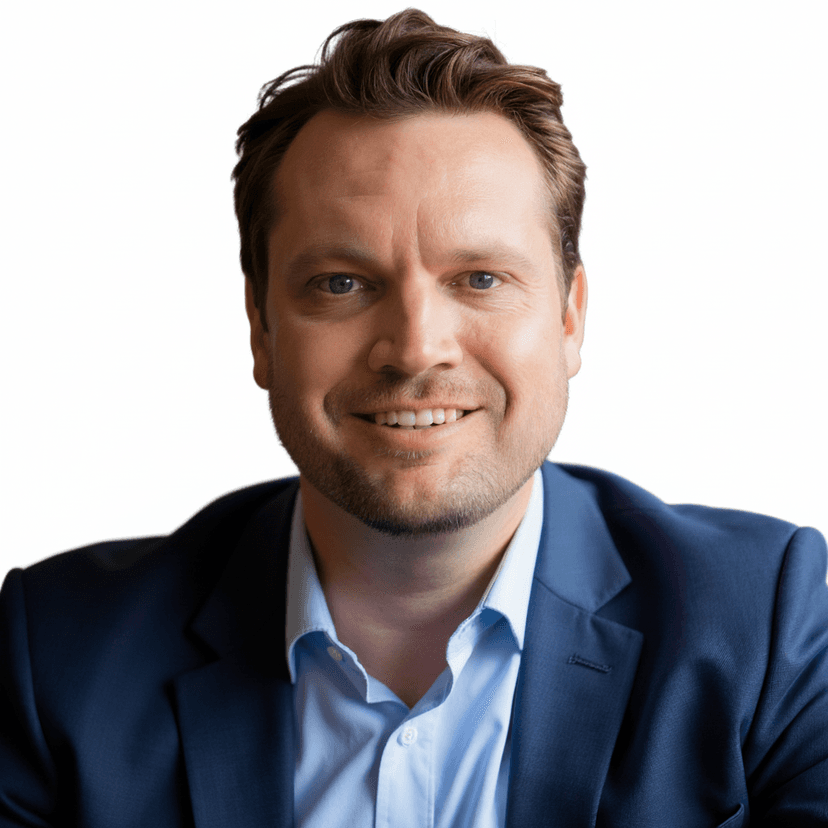
Transformational Leadership
Delivering a city that works requires a leader with experience iteratively transforming organizations to get them to work. We won't get there with performative politics. It takes more than legislative changes and budget approvals. Transformation requires a leader that will take charge and drive change across governing organizations and departments, while taking responsibility for delivering outcomes that constituents want.
Connector
Connects dots across systems, piecing together relationships between problems, people, and processes to drive holistic solutions.
Transformer
Leading transformational change across policy, process, people, and technology to build organizational capabilities that last.
Innovator
Designs systems to build collaboratively, adjusting processes, adding technology, and changing culture to enable continuous improvement.
Learner
Asks questions to gain deeper understanding, learns with each cycle of change, and continuously improves to drive better outcomes over time.